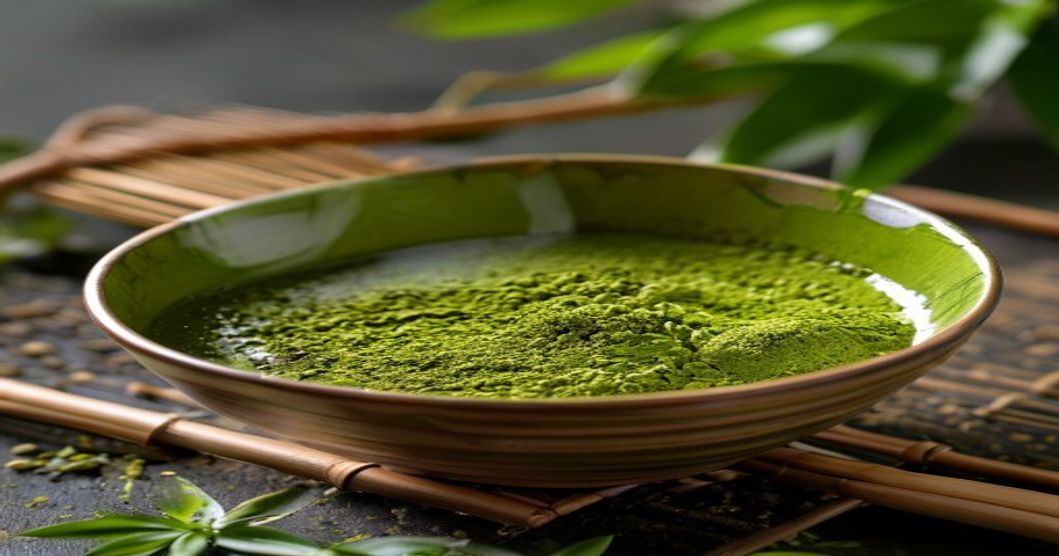
Before protein shakes. Before energy gels. Before any of it — Japanese samurai and Zen monks were quietly optimizing their performance with a single, vivid green drink. Matcha. And modern sports science is only now catching up to what they already knew.
Not Your Average Green Tea
Matcha isn’t just green tea in powder form. When you brew loose-leaf green tea, you steep the leaves and discard them. With matcha, you consume the entire leaf — ground into a fine powder. That means you’re getting 10–15× the nutrients of regular green tea in every sip. More caffeine. More antioxidants. More of everything that matters for performance.
The Caffeine + L-Theanine Synergy: Calm Focus Without the Crash
Here’s where matcha pulls ahead of coffee. A typical serving contains 70mg of caffeine — enough to sharpen focus and boost endurance. But matcha also delivers a rare amino acid called L-theanine, virtually absent in coffee. L-theanine promotes alpha brain wave activity — the same relaxed-alert state elite athletes enter during peak performance. The result? No jitters. No spike-and-crash. Just clean, sustained energy your body can actually use during a workout.
A 2008 study in Nutritional Neuroscience confirmed that the caffeine + L-theanine combination improves reaction time, memory, and mental endurance more effectively than either compound alone. That’s the edge samurai were banking on before battle.
EGCG: Your Post-Workout Recovery Weapon
Matcha is extraordinarily rich in EGCG (epigallocatechin gallate), a catechin antioxidant that fights the oxidative stress your muscles generate during intense exercise. Less oxidative damage means faster recovery and less soreness between sessions. Some research also links EGCG to reduced inflammation markers — a key factor for athletes training daily.
Fat Burning: The Science Is Real
A study published in the American Journal of Clinical Nutrition found that green tea extract — dominated by the same catechins found in matcha — increased fat oxidation during exercise by 17%. For endurance athletes, this means your body taps into fat stores more efficiently, preserving glycogen for when you need it most. Drink matcha 30–45 minutes pre-workout and let your metabolism do the work.
How to Use Matcha Like an Athlete
- Timing: 30–45 minutes before training
- Dose: 1–2 teaspoons (2–4g) of ceremonial-grade matcha
- Method: Whisk with 70–80°C water (not boiling) using a bamboo chasen
- Stack it: Add to a smoothie or oat milk for a pre-workout that also fuels glycogen stores
- Avoid: Sweetened matcha lattes from cafés — the sugar negates the fat-oxidation benefit
Ceremonial-grade matcha from Uji (Kyoto) or Nishio (Aichi) is your benchmark. Bright green color, smooth taste, zero bitterness. Culinary-grade works in a pinch but delivers less L-theanine and more astringency.
Ready to Switch?
Drop the coffee 30 minutes before your next session and replace it with a bowl of ceremonial matcha. Track your focus, your endurance, and how you feel the next morning. The samurai had 900 years of field testing. You’ve got nothing to lose — and a PR to gain.


コメント