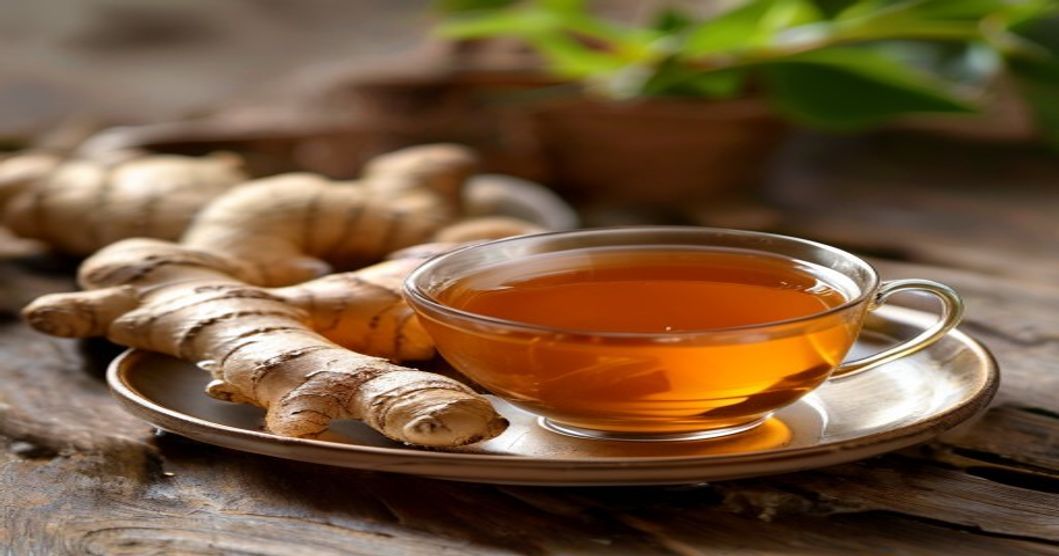
From the pink slices beside your sushi to the warming kick in a winter tea, ginger — shoga (生姜) — is everywhere in Japanese food. It is prized not just for flavor but for its warming, soothing effects on the body. For athletes, ginger offers genuine benefits: it supports circulation, helps manage post-exercise muscle soreness, and settles the stomach. Here is how to put it to work.
What Is Shoga?
Shoga is the ginger root, used fresh, grated, pickled, and dried throughout Japanese cooking. You will find it as grated oroshi-shoga in sauces, as pickled gari with sushi, as beni-shoga atop rice bowls, and brewed into warming ginger tea (shogayu). Its active compounds, gingerol and shogaol, are behind both its heat and its health effects.
1. Supports Circulation and Warmth
Ginger is famous in Japan as a warming food that promotes circulation and helps fight the cold-body sensitivity (hie-sho) many people experience. Better circulation supports the delivery of oxygen and nutrients to muscles and aids the warm-up process — useful before training, especially in cold weather.
2. Helps Manage Muscle Soreness
Ginger has natural anti-inflammatory properties, and research suggests that regular ginger consumption may help reduce exercise-induced muscle soreness. For athletes dealing with the aches of hard training, working ginger into the daily diet is a simple, natural recovery aid.
3. Settles the Stomach
Ginger is one of the most well-established natural remedies for nausea and digestive upset. If pre-competition nerves or intense effort leave your stomach unsettled, ginger can help calm it — and good digestion means better nutrient absorption to fuel your training.
4. Antioxidant and Immune Support
The gingerol compounds in ginger act as antioxidants, helping the body manage oxidative stress, and ginger has traditionally been used to support immunity — part of why hot ginger tea is a classic remedy at the first sign of a cold. Staying healthy keeps you training consistently.
How Athletes Can Use Ginger
- Shogayu (ginger tea): Grate fresh ginger into hot water with a little honey — warming before or after training.
- Grated into food: Add oroshi-shoga to dressings, marinades, and dipping sauces.
- In soups and nabe: A few slices add warmth and flavor to broths.
- With amazake: Stir grated ginger into warm amazake for a soothing recovery drink.
Fresh Is Best
Fresh ginger has the most vibrant flavor and active compounds. Keep a knob in the fridge or freezer (it grates easily from frozen) so you always have it on hand. A little goes a long way, so even small daily amounts add up to real benefits.
The Takeaway
Ginger is a small ingredient with an outsized payoff: better circulation, reduced muscle soreness, a calmer stomach, and antioxidant support. Brew it into warming shogayu or grate it into your meals daily, and this Japanese kitchen staple becomes a quietly powerful ally for training and recovery.
コメント