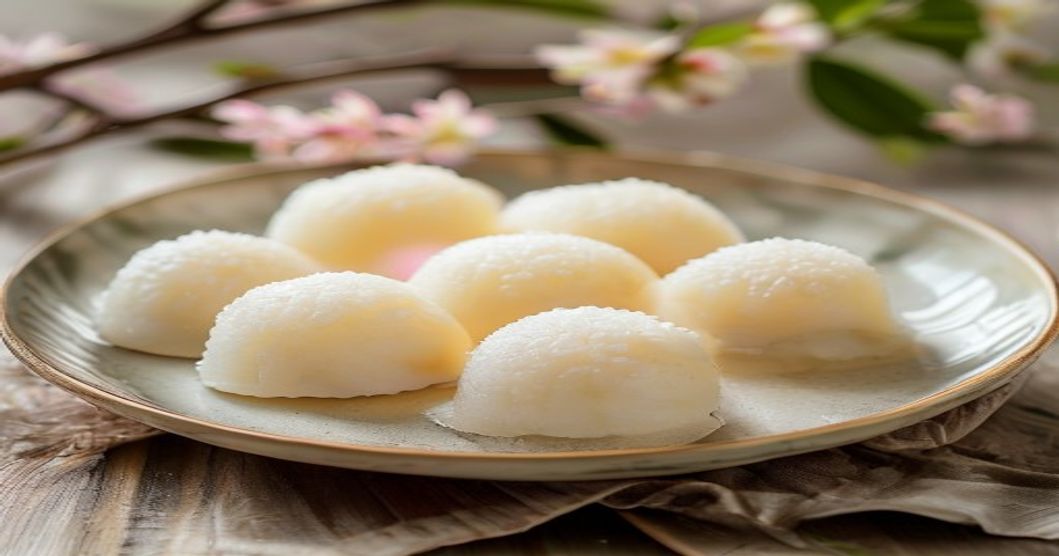
Chewy, sticky, and endlessly satisfying, mochi (餅) is a Japanese rice cake made from pounded glutinous rice. It is a festive treat — but it is also a quietly brilliant athletic fuel. Compact, energy-dense, and easy to digest, mochi has long been eaten by Japanese people for stamina. Here is why endurance athletes in particular should know about it.
What Is Mochi?
Mochi is made by steaming glutinous (sticky) rice and pounding it into a smooth, stretchy mass, then forming it into cakes. It is eaten grilled, boiled in soups (like ozoni), or wrapped around sweet fillings. Plain mochi is essentially concentrated rice — a dense, portable package of carbohydrate.
1. Compact, Energy-Dense Carbohydrate
Because mochi is pounded, dense rice, it packs a lot of carbohydrate into a small, easy-to-eat piece. For endurance athletes who need to take on a lot of fuel without feeling stuffed, this energy density is a real advantage — a couple of small pieces deliver serious carbs in a compact form.
2. Quick, Easy-to-Digest Fuel
Mochi is made of glutinous rice starch that the body can break down and use relatively quickly, making it a fast source of energy. Eaten before or during long efforts, it provides accessible fuel that is gentle on the stomach — one reason it has a reputation in Japan as a stamina food.
3. Portable and Versatile
Individually packaged mochi keeps well and travels easily, making it a practical fuel to carry. It can be sweet or savory: grilled with a little soy sauce and wrapped in nori (isobeyaki) for a savory snack, or paired with sweet red-bean paste for a carb-and-recovery combo.
4. Low in Fat, Naturally Simple
Plain mochi is essentially just rice — low in fat and free of additives. That makes it clean, simple fuel: pure carbohydrate energy without the fat that can slow digestion when you need fuel fast.
How Athletes Can Use Mochi
- Pre-endurance fuel: Eat a piece or two before a long run or ride for dense, easy carbs.
- In soup (ozoni): Mochi in a warm broth makes an easy-to-digest, carb-rich meal.
- Isobeyaki: Grill mochi, brush with soy sauce, and wrap in nori for a savory snack.
- With anko: Pair with sweet red-bean paste for a carb-plus snack after training.
An Important Safety Note
Mochi is famously sticky and chewy, and it can be a genuine choking hazard if eaten carelessly — this is a well-known caution in Japan, especially for children and older adults. Cut it into small pieces, chew thoroughly, and eat it with liquid nearby. Treat it with a little respect and it is perfectly safe.
The Takeaway
Mochi is a compact, energy-dense, easy-to-digest carbohydrate that has fueled Japanese stamina for centuries — ideal for endurance athletes who need a lot of clean fuel in a small package. Just cut it small and chew well, and this humble rice cake becomes one of the smartest training snacks around.


コメント