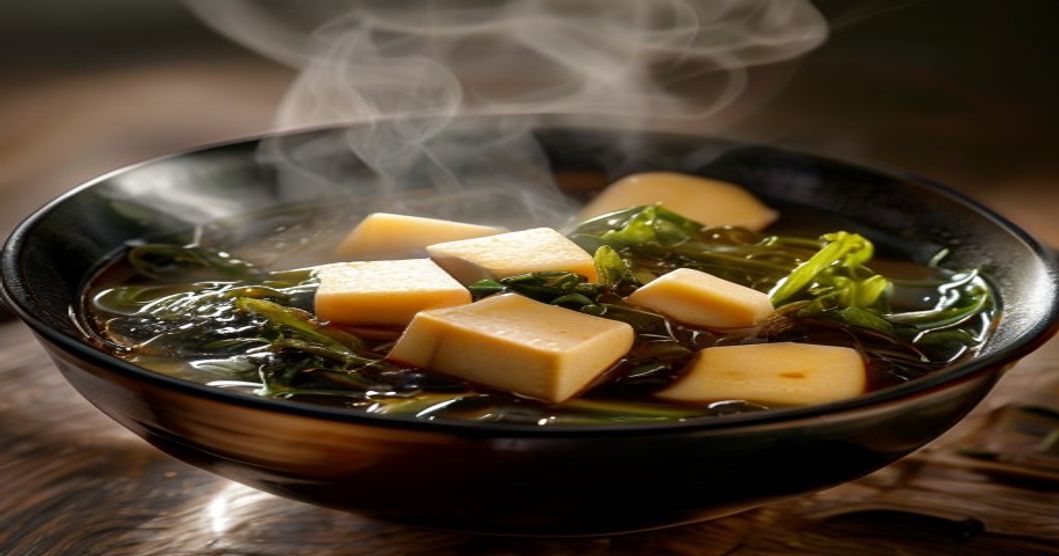
In Japan, a bowl of miso soup (味噌汁) shows up at breakfast, lunch, and dinner — it is the most ordinary food imaginable. But behind that everyday bowl is a fermented powerhouse that quietly delivers exactly what an active body needs: fluids, electrolytes, gut-friendly bacteria, and a hit of plant protein. Here is why athletes should treat miso soup as more than just a side dish.
What Is Miso?
Miso is a paste made by fermenting soybeans with salt and a mold culture called koji. The fermentation can take months or years, breaking the soybeans down into a deeply savory, umami-rich paste. Dissolved in hot dashi stock, it becomes miso soup — usually with tofu, wakame seaweed, green onion, or whatever vegetables are on hand.
1. Natural Hydration and Electrolytes
Miso soup is mostly warm, salty liquid — which makes it an excellent way to rehydrate and replace the sodium you lose through sweat. After a hot training session, a bowl of miso soup restores fluids and electrolytes far more naturally than a sugary sports drink. Many Japanese people drink it first thing in the morning to gently rehydrate after a night of sleep.
2. Gut-Friendly Fermentation
Because miso is fermented, unpasteurized miso contains beneficial bacteria that support gut health. A healthy gut means better nutrient absorption and a stronger immune system — both critical for athletes training hard. To preserve these live cultures, add the miso paste at the very end and avoid boiling it.
3. Plant Protein and Nutrients
Made from soybeans, miso provides plant-based protein along with B vitamins, vitamin K, and minerals like manganese and copper. Add tofu and you boost the protein further; add wakame and you bring in iodine and magnesium. A single bowl becomes a surprisingly complete micronutrient package.
4. Warm, Easy to Digest, Appetite-Friendly
A warm, savory broth is gentle on the stomach and easy to consume even when you are tired or your appetite is low after hard exercise. It is the perfect bridge food — light enough to drink right after training, nourishing enough to kick-start recovery.
Choosing Miso at the Store
| Type | Flavor | Notes |
|---|---|---|
| White miso (shiro) | Mild, slightly sweet | Shorter fermentation, lower salt |
| Red miso (aka) | Strong, deep, salty | Longer fermentation, robust flavor |
| Awase (mixed) | Balanced | Most versatile for everyday soup |
Look for miso labeled as containing live cultures (not heat-treated) for the gut-health benefits. Awase miso is the easiest all-rounder for beginners.
A Quick Note on Salt
Miso soup is salty, which is great for replacing sweat losses but worth moderating if you are watching blood pressure. One or two bowls a day fits comfortably into most diets, and you can dilute it or load it with vegetables to balance the sodium.
The Takeaway
Miso soup is the ultimate unassuming recovery food: hydrating, electrolyte-rich, gut-friendly, and packed with nutrients — all in a bowl that Japanese people have trusted for centuries. Make it a daily habit, especially around your hardest training days.

コメント