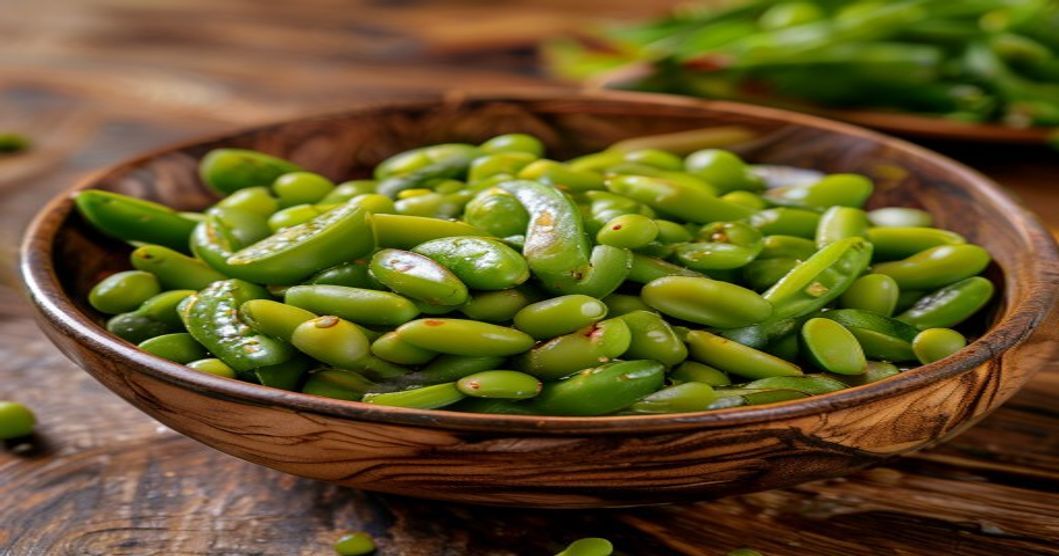
Walk into any izakaya in Japan and within two minutes a small bowl of salted green pods will appear on your table. Most people eat them absently, barely noticing. That is a mistake — because what just arrived is one of the most complete pre-workout snacks available anywhere in the country, for around 300-500 yen.
Edamame — young soybeans harvested before they harden — is the one bar snack that actually belongs in an athlete’s nutrition plan.
The Nutritional Profile
Per 100g of shelled edamame (the beans only, not the pods):
| Calories | 122 kcal |
| Protein | 11g |
| Carbohydrates | 10g |
| Fat | 5g (mostly unsaturated) |
| Fiber | 5g |
| Magnesium | 64mg (16% DV) |
| Folate | 303mcg (76% DV) |
| Vitamin C | 9mg |
| Iron | 2.3mg (13% DV) |
| GI Score | ~18 (very low) |
Compare this to typical bar snacks: a bag of potato chips has roughly the same calories with near-zero protein, high GI, and almost no micronutrients. Edamame delivers complete protein, low-GI carbohydrates, and a meaningful magnesium and folate hit in the same serving.
Why Magnesium Matters More Than Most Athletes Realize
Magnesium is involved in over 300 enzymatic reactions in the body. For athletes specifically, three matter most:
- Muscle contraction and relaxation: Magnesium is required for muscles to properly release after contracting. Deficiency contributes to cramping, excessive muscle soreness, and incomplete recovery between sets.
- Protein synthesis: Magnesium activates the enzymes involved in building new muscle protein. Low magnesium directly impairs the anabolic response to training.
- Sleep quality: Magnesium activates the parasympathetic nervous system and regulates melatonin. Deficient athletes consistently report worse sleep — the primary recovery period where growth hormone is released.
Studies estimate that 50-60% of athletes are chronically low in magnesium due to sweat losses during training. Edamame is one of the most magnesium-dense snack foods available in Japan. Eating it regularly is a simple, cheap partial solution to a problem most athletes do not know they have.
Folate and Red Blood Cell Production
A single serving of edamame provides 76% of the recommended daily intake of folate — a B vitamin essential for red blood cell production and DNA synthesis.
For endurance athletes, red blood cell count directly determines oxygen-carrying capacity and aerobic performance. For strength athletes, folate supports the rapid cell division that occurs during muscle repair and hypertrophy. Either way, adequate folate is not optional for athletes training at meaningful volume — and edamame is one of the easiest ways to hit the target without supplementation.
Why It Works as a Pre-Workout Snack
The combination of attributes that makes edamame exceptional as a pre-training snack:
- Very low GI (around 18): Provides sustained energy without a blood sugar spike that leads to energy crashes mid-workout
- Moderate protein (11g per 100g): Begins amino acid availability before training starts, reducing muscle breakdown during the session
- High fiber (5g per 100g): Slows digestion and extends satiety without causing the gastrointestinal discomfort that high-fat pre-workout foods can cause
- Low total calories: A 150g portion is around 180 kcal — enough to fuel a session without sitting heavily in the stomach
Eat edamame 60-90 minutes before training. By the time you are warming up, it has digested enough not to cause discomfort but is still providing a steady glucose and amino acid supply.
The Izakaya Strategy
At a Japanese izakaya, edamame is almost always the cheapest item on the menu and frequently arrives automatically. Most people treat it as something to eat while waiting for the real food.
Flip this. Order edamame first, eat it before anything else arrives, and use it to accomplish two things simultaneously: establish your protein baseline for the meal and reduce how much of the higher-calorie food you end up eating. The fiber and protein in edamame activates satiety hormones fast enough to measurably reduce total caloric intake at the meal.
This is the same protein-first eating strategy used in clinical weight management programs — applied to one of Japan’s cheapest menu items.
Buying It Outside the Izakaya
Edamame is available year-round in Japan in several forms:
- Fresh (seasonal, summer): Best flavor and highest nutrient density. Found at supermarkets and farmers markets June through September. Cook by boiling in salted water for 5 minutes.
- Frozen (year-round): The practical option. Available at every supermarket for 150-250 yen per 300-500g bag. Nutritional value is nearly identical to fresh — freezing preserves the micronutrient profile well. Microwave in the bag for 3-4 minutes.
- Convenience store: Pre-portioned snack packs available at most konbini, around 150-200 yen. Slightly higher sodium from seasoning. Acceptable as an on-the-go protein snack.
When buying frozen, check the sodium content on the package. Plain frozen edamame has minimal sodium; pre-seasoned varieties can add 300-500mg per serving. If you are already eating salty food elsewhere, choose unseasoned and salt it yourself to control intake.
Ways to Eat It at Home
- Classic salted: Boil or microwave, toss with coarse salt. Eat directly from the pod. The standard method for good reason.
- Shio kombu mix: Toss shelled edamame with shio kombu (salted kelp strips, available at any supermarket). Adds umami, iodine, and additional minerals.
- Post-workout rice topping: Add shelled edamame directly to hot rice with a splash of soy sauce. Fast protein-carb combination with no extra cooking.
- Smoothie addition: Frozen shelled edamame blends smoothly into protein shakes, adding 10g+ of plant protein without significantly altering flavor. Underused and highly practical.
The Bottom Line
Edamame costs less than a vending machine drink, takes three minutes to prepare, and delivers complete protein, magnesium, folate, fiber, and a GI score lower than almost any other carbohydrate-containing food in Japan.
It is available at every supermarket, convenience store, and izakaya in the country. There is no barrier to entry and almost no reason not to be eating it regularly.
Next time the bowl arrives at the izakaya, stop treating it as filler. It is the best thing on the table.


コメント