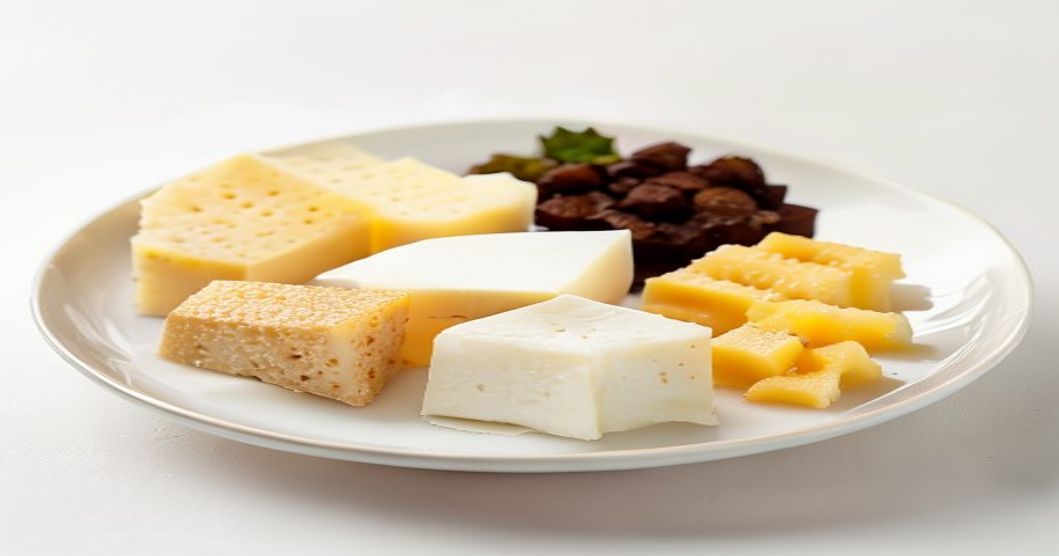
There is a protein source sitting in the refrigerated section of every Japanese supermarket that costs under 100 yen, contains all essential amino acids, delivers meaningful calcium and magnesium alongside the protein, and has been part of the Japanese diet for over a thousand years. Most Western athletes in Japan walk past it every time.
And then there is its dried cousin — a food sitting in the dry goods aisle with a protein density that rivals commercial protein powder — that almost nobody outside Japan knows exists.
The fresh version is tofu. The dried version is koya-dofu. Both deserve a place in any serious training diet in Japan.
The Four Types of Tofu and Their Nutritional Profiles
| Type | Calories (100g) | Protein | Fat | Calcium | Best Use |
| Momen (firm tofu) | 72 kcal | 6.7g | 4.2g | 93mg | Stir-fry, grilling, miso soup |
| Kinu (silken tofu) | 56 kcal | 5.3g | 3.0g | 75mg | Hiyayakko, smoothies, sauces |
| Yaki-dofu (grilled tofu) | 82 kcal | 7.8g | 4.9g | 150mg | Hot pot, sukiyaki, high-calcium use |
| Koya-dofu (freeze-dried) | 496 kcal | 50.2g | 34.1g | 630mg | Rehydrated in broth, high-protein cooking |
That koya-dofu number is not a typo. Freeze-dried tofu concentrates everything — 50g of protein per 100g dry weight, alongside 630mg of calcium and significant magnesium. Rehydrated in dashi broth and eaten as part of a meal, it becomes one of the highest protein-per-calorie whole foods available in Japan.
Koya-Dofu: The Hidden Protein Weapon
Koya-dofu is tofu that has been frozen, then slowly dried — a preservation technique developed by Buddhist monks in the mountains of Japan centuries ago. The freezing process creates a sponge-like structure that, when rehydrated, absorbs whatever liquid it is cooked in.
In protein terms: a 100g serving of dry koya-dofu contains roughly the same protein as 170g of chicken breast, 6 eggs, or a standard scoop of whey protein — but it also comes with 630mg of calcium, substantial magnesium, and a complete amino acid profile. It is sold in small packets in the dry goods section of every supermarket for around 150-200 yen per pack (typically 6 pieces).
The standard preparation: soak in warm water for 5 minutes, squeeze out the water, then simmer in dashi broth seasoned with soy sauce and mirin for 10 minutes. The result absorbs the broth completely, delivering flavor alongside the nutrition. Add it to miso soup, hot pot, or eat it as a side dish.
The Isoflavone Question
Soy isoflavones have been discussed in fitness communities for years, with claims that they suppress testosterone and interfere with muscle building in men. The actual evidence does not support this at realistic dietary intake levels.
A 2010 meta-analysis reviewing clinical studies found no significant effect of soy isoflavone consumption on testosterone levels or other male hormonal markers at typical dietary doses. Japanese men — who consume substantially more soy protein than Western men — do not show hormonal profiles consistent with isoflavone suppression. Professional athletes in Japan eat tofu regularly without concern.
The theoretical mechanism for testosterone suppression requires isoflavone intake far above what even heavy tofu consumption produces. Eating tofu as part of a varied diet is not a hormonal risk.
Calcium and Magnesium for Athletic Performance
Tofu made with nigari (magnesium chloride coagulant — the traditional Japanese method) contains both calcium and magnesium in meaningful quantities. This combination matters for athletes specifically:
- Calcium is required for muscle contraction — every single repetition you perform depends on calcium signaling at the neuromuscular junction
- Magnesium is required for muscle relaxation and protein synthesis, and is commonly deficient in athletes due to sweat losses
- The calcium-to-magnesium ratio in nigari tofu is close to optimal for co-absorption
- Yaki-dofu (grilled tofu) has the highest calcium content of the fresh varieties — 150mg per 100g, comparable to dairy products
Practical Protein Per Yen
A standard block of firm tofu (momen) in Japan weighs 300-400g and costs 68-98 yen. At 6.7g protein per 100g, a 350g block delivers approximately 23g of protein for under 100 yen. That is a better protein-per-yen ratio than eggs, chicken, or any protein supplement available in Japan.
Combined with a serving of rice and miso soup — both of which add additional small protein contributions — a tofu-centered meal hits 30-35g of complete protein for around 200-250 yen total. This is the economic basis of the traditional Japanese diet, and it holds up under modern nutritional analysis.
How to Maximize Protein Efficiency by Cooking Method
- Hiyayakko (cold tofu): No cooking required. Slice silken tofu into a bowl, top with ginger, green onion, soy sauce, bonito flakes. Maximum nutrient retention, 5 minutes total, best for summer.
- Tofu steak: Press firm tofu dry, pan-fry in sesame oil until golden on both sides. Season with soy sauce and ginger. Higher calorie density from the oil but adds fat-soluble vitamin absorption. Best for bulk phases.
- Miso soup addition: Add cubed tofu to miso soup for an automatic protein boost to every meal. Silken tofu works best here for texture.
- Stir-fry: Firm tofu crumbled and stir-fried with vegetables and soy sauce mimics ground meat in texture and absorbs flavors well. One of the fastest high-protein meal options available.
- Koya-dofu simmered: As described above. The highest-protein option and worth the extra 10 minutes of preparation.
What to Look for at the Supermarket
- Momen vs. kinu: Momen (firm) has more protein per gram. Choose momen for cooking, kinu for cold preparations or smoothies.
- Nigari coagulant: Check the ingredients for nigari (magnesium chloride) vs. calcium sulfate. Nigari tofu has higher magnesium; calcium sulfate tofu has higher calcium. Both are good — pick based on which mineral you are more likely to need.
- Domestic soybeans (kokusan daizu): Labeled on the package. Slightly more expensive but generally higher quality flavor.
- 充填豆腐 (충전두부, packed tofu): Sealed in water-free packaging. Longer shelf life. Nutritionally similar to regular tofu but firmer texture. Good to keep in the pantry.
The Bottom Line
Tofu is not a compromise protein for people who cannot afford meat. It is a complete protein source with a micronutrient profile — particularly calcium and magnesium — that whole-food animal proteins largely cannot match. At under 100 yen per block, it is the most economical complete protein available in Japan.
And koya-dofu, sitting undisturbed in the dry goods aisle while everyone reaches past it for pasta, is one of the most protein-dense whole foods on any supermarket shelf in the world.
Buy the block. Try the koya-dofu. Japan has been building strong bodies on both for a thousand years.
コメント