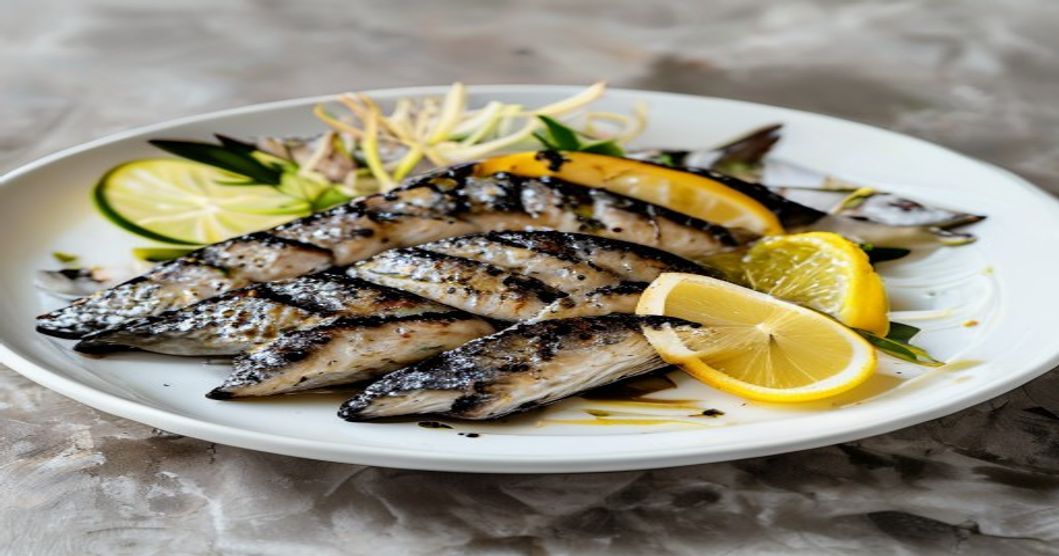
If you walk into a Japanese set-meal restaurant, one of the cheapest and most popular options is saba shioyaki — simple salt-grilled mackerel. It is humble, affordable, and absolutely loaded with the kind of nutrition athletes pay a premium for in supplements: high-quality protein and omega-3 fatty acids. Here is why Japan’s everyday mackerel deserves a spot on your plate.
What Is Saba?
Saba (鯖) is mackerel, an oily fish that is a staple of the Japanese diet. It is most commonly served grilled with salt (shioyaki) or simmered in miso (saba misoni). It is inexpensive, widely available fresh or canned, and one of the richest natural sources of omega-3 fats.
1. A Top Source of Omega-3 (EPA & DHA)
Mackerel is exceptionally high in the omega-3 fatty acids EPA and DHA. These fats help manage inflammation, which is especially valuable for athletes recovering from hard training. Omega-3s also support heart and brain health. A fish-oil supplement tries to replicate this — saba gives it to you in real food, with everything else the fish provides.
2. High-Quality Complete Protein
A single serving of mackerel delivers a generous dose of complete protein, containing all the essential amino acids needed for muscle repair and growth. For building and maintaining muscle, oily fish like saba is one of the most efficient whole foods available.
3. Vitamin D and B12
Saba is one of the few foods naturally rich in vitamin D, important for bone health and muscle function — and often lacking in people who train indoors. It is also packed with vitamin B12, which supports energy production and the nervous system. These are nutrients many athletes are quietly low on.
4. Cheap, Convenient, and Versatile
Unlike many premium protein sources, mackerel is genuinely affordable. Even better, canned saba (saba no mizuni) is a Japanese pantry staple — fully cooked, shelf-stable, and ready to eat. It is arguably the easiest high-omega-3 protein you can keep on hand for busy days.
How Athletes Can Use Saba
- Grilled (shioyaki): The classic — just salt and grill, served with grated daikon and rice.
- Canned saba: Eat straight from the can, or mix into rice, salads, or pasta for instant protein and omega-3s.
- Saba misoni: Simmered in a sweet-savory miso sauce, a comforting protein-rich main.
- Post-training meal: Pair grilled saba with rice and miso soup for a complete recovery plate.
Buying Tips
Fresh saba should smell clean (not strongly fishy) with firm, shiny flesh. For convenience, canned saba in water (mizuni) keeps the nutrition with no added sugar — check the label and choose plain water-packed over heavily seasoned versions when you can.
The Takeaway
Saba proves that elite-level nutrition doesn’t have to be expensive or complicated. High in complete protein, rich in anti-inflammatory omega-3s, and loaded with vitamin D and B12, Japan’s everyday mackerel is one of the best-value foods an athlete can eat. Grab a can or grill a fillet — your recovery will benefit.

コメント