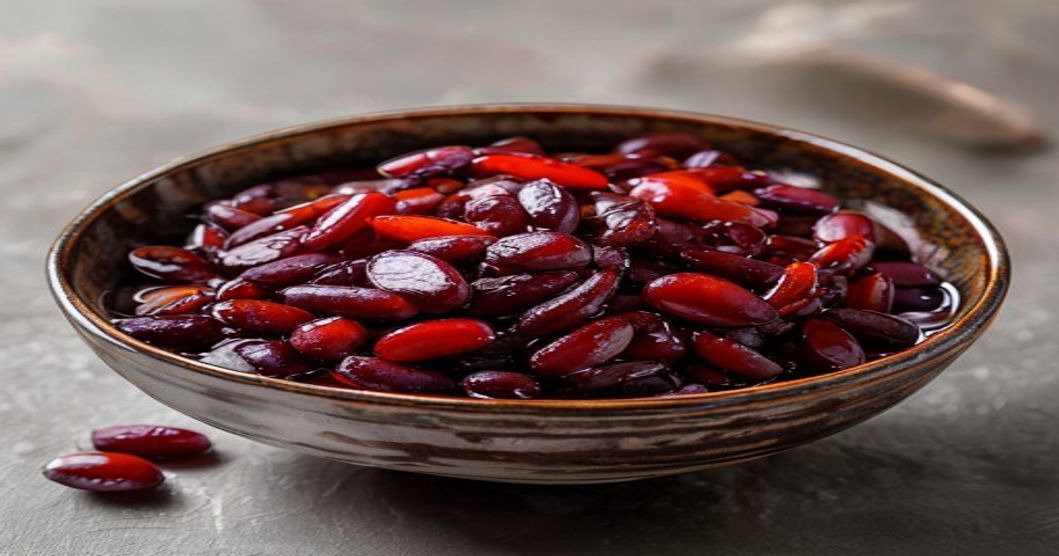
Most people meet azuki (あずき) beans as the sweet red-bean paste inside Japanese desserts. But strip away the sugar and the little red bean itself is a nutritional powerhouse: plant protein, fiber, iron, and antioxidants in one humble package. Here is why athletes should look past the dessert and appreciate what azuki actually offers.
What Are Azuki Beans?
Azuki are small, deep-red beans used widely in East Asia, especially in Japan. They are most famous boiled and sweetened into anko (red-bean paste) for sweets, but they are also eaten in savory dishes and in sekihan (celebratory red rice). On their own, unsweetened, they are a true legume — and nutritionally impressive.
1. Plant-Based Protein
Like other beans, azuki are a solid source of plant protein, supplying amino acids for muscle repair and growth. For athletes adding more plant foods to their diet, azuki are an easy, affordable way to boost protein — especially when paired with rice, which complements their amino acid profile.
2. High in Fiber
Azuki are rich in dietary fiber, which supports digestion, feeds beneficial gut bacteria, and helps keep you full. Stable energy and good gut health both matter for consistent training, and the fiber also helps moderate the blood-sugar response to the beans’ carbohydrates.
3. Iron and Minerals
These little beans deliver iron (for oxygen transport and energy), plus magnesium, potassium, and zinc. For athletes — particularly those eating less meat — azuki are a valuable plant source of the minerals that support muscle function, recovery, and overall performance.
4. Antioxidants from the Red Color
The deep red of azuki comes from polyphenol antioxidants, which help the body manage the oxidative stress of hard training. Combined with their fiber and minerals, this makes azuki a genuine recovery-supporting food rather than just a sweet treat.
How Athletes Can Use Azuki
- Lightly sweetened anko: Pair with mochi or on toast for a carb-plus-protein recovery snack.
- Sekihan: Azuki cooked with rice — a traditional protein-and-carb combo.
- Savory beans: Simmer unsweetened azuki and add to bowls, soups, or salads.
- Azuki water: The mineral-rich cooking liquid is traditionally drunk in Japan.
Watch the Sugar in Anko
Here is the catch: traditional anko is loaded with sugar, which buries the bean’s healthy profile under sweetness. To get the real benefits, eat azuki in less-sweetened or savory forms, or make your own lightly sweetened version. The bean is the hero — the sugar is optional.
The Takeaway
Azuki beans are far more than dessert filling: plant protein, fiber, iron, minerals, and antioxidants in one small red package. Eat them savory or only lightly sweetened, and this overlooked Japanese bean becomes a genuine recovery and performance food for your training diet.


コメント