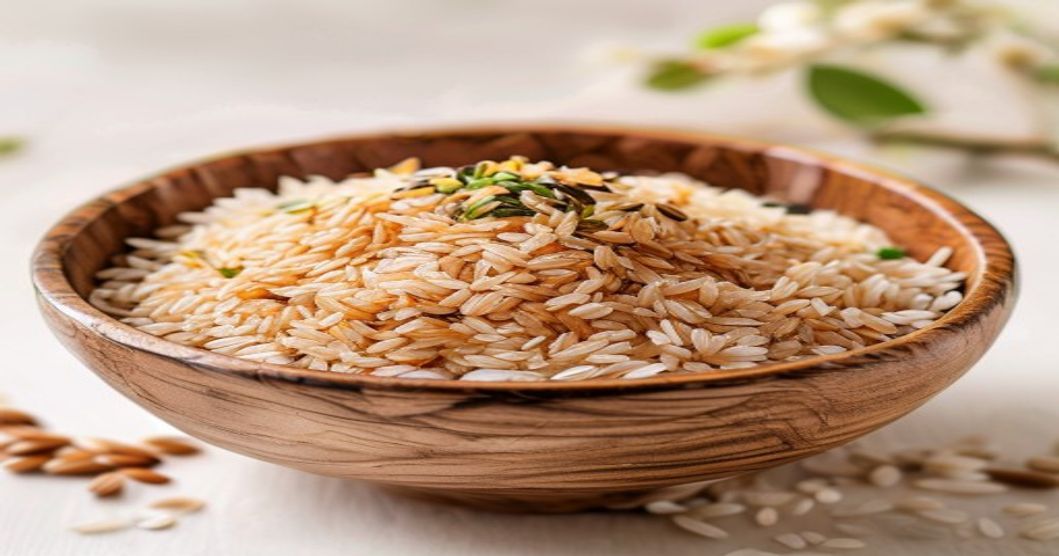
White rice is the default in Japan, but its less-polished cousin quietly outperforms it for athletes. Genmai (玄米), Japanese brown rice, is simply rice with its nutritious outer layers left intact. That single difference transforms it from a plain energy source into a fiber-rich, vitamin-packed staple. Here is why genmai deserves a place in serious training nutrition.
What Is Genmai?
Genmai is whole-grain brown rice — rice that has had only the inedible husk removed, keeping the bran and germ. White rice goes a step further, polishing away those layers for a softer texture and longer shelf life, but stripping out much of the fiber, vitamins, and minerals in the process. Genmai keeps it all.
1. Far More Fiber
The bran layer makes genmai significantly higher in fiber than white rice. That fiber slows digestion, supports gut health, and keeps you feeling full longer. For athletes managing appetite and body composition, the extra satiety from brown rice is a real advantage over its polished counterpart.
2. Steadier Energy Release
Because of its fiber and intact grain structure, genmai is digested more slowly than white rice, leading to a gentler, more sustained rise in blood sugar. That means longer-lasting energy and fewer crashes — ideal fuel for endurance training and long, demanding days.
3. More Vitamins and Minerals
The germ and bran in genmai are rich in B vitamins (important for energy metabolism), magnesium (for muscle and nerve function), and other minerals that white rice loses in polishing. You get more nutrition from the same bowl — without any supplements.
4. A Whole-Food Carb Upgrade
Switching from white to brown rice is one of the simplest whole-food upgrades you can make. You keep the familiar staple at the center of your meals, but every serving now delivers more fiber, vitamins, and minerals. Small swap, meaningful difference.
White Rice vs. Brown Rice
| White Rice | Genmai (Brown) | |
|---|---|---|
| Fiber | Low | High |
| Vitamins/minerals | Reduced | Retained |
| Energy release | Faster | Steadier |
| Texture | Soft, light | Chewy, nutty |
How to Cook and Eat Genmai
- Soak first: Soaking brown rice for several hours (or overnight) softens it and improves texture.
- Use more water: Genmai needs a bit more water and longer cooking than white rice; a rice cooker with a brown-rice setting makes it easy.
- Mix it in: If the texture is new to you, start by mixing genmai half-and-half with white rice.
- Pair with protein: Combine with grilled fish, natto, or tofu for a balanced training meal.
When White Rice Still Wins
Brown rice isn’t always the answer. Right around intense training or competition, the faster-digesting energy of white rice can be useful for quick fueling and rapid glycogen replenishment. Think of white rice as fast fuel and genmai as your everyday nutritional foundation.
The Takeaway
Genmai gives you everything white rice does, plus more fiber, steadier energy, and a richer load of vitamins and minerals. For most of your meals, this simple switch from white to brown rice is an easy, effective upgrade to your training diet — a small change with lasting payoff.

コメント