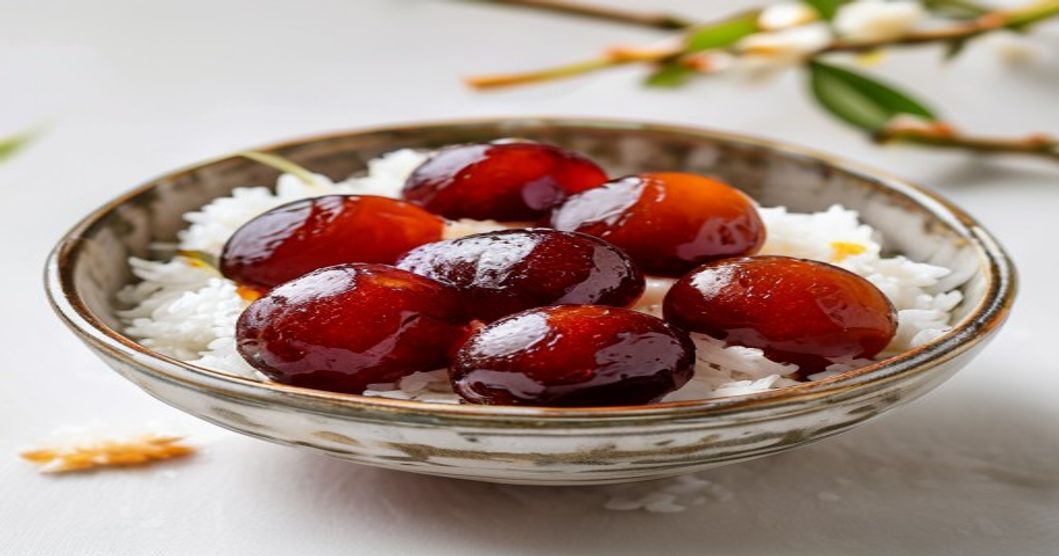
Walk into any Japanese household and you will likely find a jar of umeboshi (梅干し) — wrinkled, intensely sour pickled plums that have been part of the Japanese diet for over a thousand years. Long before sports scientists talked about electrolytes and lactate clearance, samurai carried umeboshi into battle, and farmers ate them to survive the brutal summer heat. Today, Japanese athletes still reach for this humble red plum as a natural recovery food. Here is why it works and how to use it.
- What Exactly Is Umeboshi?
- 1. Citric Acid for Faster Recovery
- 2. Natural Electrolyte Replenishment
- 3. Appetite and Digestion Support
- 4. Antibacterial and Preserving Power
- Know the Different Types
- How Athletes Actually Use Umeboshi
- How to Choose at the Supermarket or Konbini
- A Word of Caution on Salt
- The Takeaway
What Exactly Is Umeboshi?
Umeboshi are Japanese plums (actually closer to apricots) that are salted, sun-dried, and aged. The result is a soft, extremely sour and salty fruit with a flavor so sharp it can make first-timers wince. That sourness is the whole point — it comes from a remarkably high concentration of citric acid, the compound that does most of the heavy lifting for athletes.
1. Citric Acid for Faster Recovery
The most famous benefit of umeboshi is its citric acid content. Citric acid plays a central role in the body’s energy cycle (the citric acid cycle, or Krebs cycle) and is widely believed in Japan to help the body process the byproducts of hard exercise. After an intense training session, many Japanese athletes eat an umeboshi to fight fatigue and feel refreshed faster. While the science on lactate is more nuanced than the popular belief suggests, the energizing, fatigue-fighting reputation of umeboshi is deeply rooted in Japanese sports culture.
2. Natural Electrolyte Replenishment
Japanese summers are hot and brutally humid, and athletes lose enormous amounts of sodium through sweat. Umeboshi are very high in salt, which makes them a natural, portable way to replace the electrolytes lost during long summer training sessions. This is exactly why you will see Japanese marathon runners, baseball players, and hikers carrying umeboshi in the heat — it is heatstroke prevention in a single bite.
3. Appetite and Digestion Support
When it is hot and you are exhausted from training, appetite often disappears — a serious problem for athletes who need to refuel. The intense sourness of umeboshi stimulates saliva and gastric juices, waking up your appetite and helping digestion. A single umeboshi on top of plain rice can make an otherwise unappealing meal suddenly easy to eat, which is invaluable during summer training camps.
4. Antibacterial and Preserving Power
The salt and acid in umeboshi give it natural antibacterial properties. This is why the classic hinomaru bento — white rice with a single red umeboshi in the center — was traditionally used to keep lunch from spoiling in warm weather. For athletes packing food for all-day events or travel, this preserving power is a practical bonus.
Know the Different Types
Not all umeboshi are created equal. The type you choose changes both the flavor and the nutritional profile dramatically:
| Type | Taste | Best for athletes? |
|---|---|---|
| Shiraboshi (白干し) | Very salty & sour, traditional | Best — highest salt & citric acid, no sugar |
| Honey ume (はちみつ梅) | Mild, sweet & sour | Easy to eat, but added sugar & less salt |
| Seasoned ume (調味梅干し) | Mild, often with dashi/katsuo | Tasty but contains additives |
For pure functional benefit, traditional shiraboshi is the winner. If the intense saltiness is too much, honey ume is a gentler entry point — just be aware of the added sugar.
How Athletes Actually Use Umeboshi
- After training: Eat one whole umeboshi to fight fatigue and replace lost salt.
- Ume onigiri: A rice ball with umeboshi inside — the perfect pre- or post-workout snack combining carbs, salt, and citric acid.
- Homemade ume sports drink: Mash one umeboshi into water with a pinch of honey for a natural, cheap electrolyte drink for hot-weather training.
- During long events: Carry a couple in a small container for heat-stress prevention on long hikes, runs, or game days.
How to Choose at the Supermarket or Konbini
In any Japanese supermarket or convenience store you will find umeboshi near the pickles or rice toppings. Check the ingredients: the most traditional and functional ones list essentially just plums and salt (and sometimes shiso leaves for color). If the label is full of sweeteners and additives, it is more of a snack than a recovery tool. For the best athletic value, look for high-salt shiraboshi with the shortest ingredient list.
A Word of Caution on Salt
Umeboshi are extremely high in sodium, which is a benefit for sweaty summer training but a concern for everyday consumption. One per day is plenty for most people. If you have high blood pressure or are watching your salt intake, treat umeboshi as an occasional functional food rather than a daily habit.
The Takeaway
Umeboshi is one of Japan’s oldest and smartest pieces of functional food — a natural source of citric acid, electrolytes, and appetite support, all wrapped in a thousand years of tradition. The next time you finish a hard summer workout, skip the sugary recovery products and try what Japanese athletes have trusted for centuries: a single, intensely sour red plum.

コメント