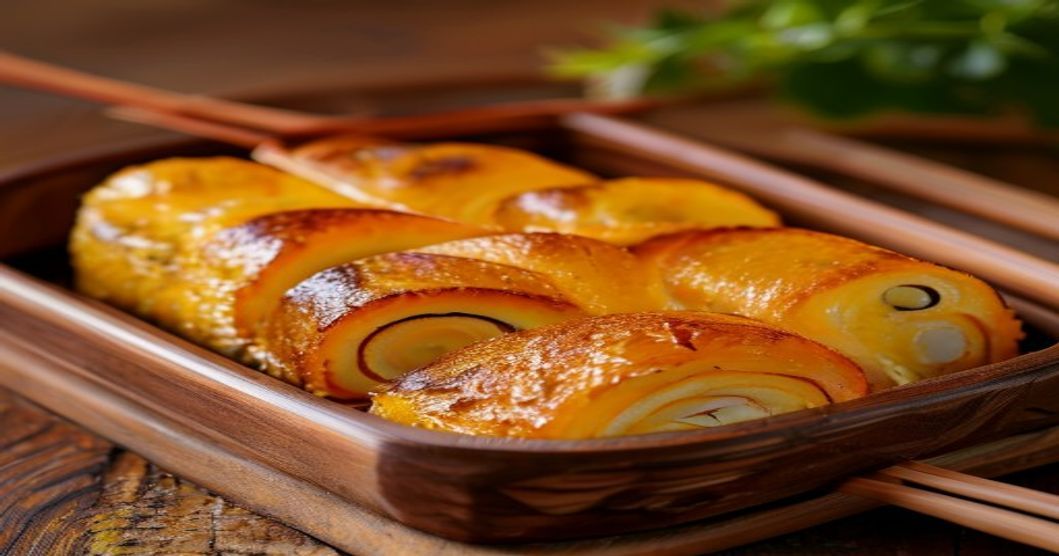
Japan has a national obsession with eggs. The average Japanese person eats around 340 eggs per year — more than almost any other country. Eggs are eaten raw over rice for breakfast, soft-boiled in ramen, grilled on yakitori skewers, and rolled into the layered rectangle that appears in nearly every bento box in the country.
That rectangle is tamagoyaki. And for athletes building a high-protein breakfast routine in Japan, it deserves serious attention — not as a side item, but as the centerpiece.
Why Japanese Eggs Are Different
Before the cooking, the ingredient. Japanese eggs have a reputation among food people for a reason: the yolks are deeper orange, the whites are firmer, and the flavor is richer than supermarket eggs in most Western countries.
This is partly due to feed — Japanese hens are typically fed diets enriched with corn and sometimes fish meal, producing yolks with higher carotenoid content (the source of the deep color) and higher omega-3 fatty acid levels. It is also partly due to freshness standards and handling.
Japanese eggs are graded for raw consumption — they undergo stricter salmonella testing than standard eggs in most Western markets. This is why TKG (tamago kake gohan, raw egg over rice) is a mainstream daily food in Japan rather than a food safety risk.
The Nutritional Profile of the Egg Itself
| Per large egg (50g) | |
| Calories | 75 kcal |
| Protein | 6.3g (complete — all essential amino acids) |
| Fat | 5g (mostly unsaturated in the yolk) |
| Vitamin D | 44 IU (one of few dietary sources) |
| Choline | 147mg (27% DV) |
| Vitamin B12 | 0.6mcg (25% DV) |
| Leucine | 0.54g (key trigger for muscle protein synthesis) |
The protein quality of whole egg is consistently rated among the highest of any food — its amino acid score is used as the reference standard against which other proteins are measured. Three eggs provides roughly 19g of complete protein with a leucine content sufficient to trigger a full muscle protein synthesis response.
What Tamagoyaki Is and Why It Works
Tamagoyaki is made by beating eggs with a small amount of dashi stock, soy sauce, and mirin (sweet rice wine), then cooking the mixture in a rectangular pan in layers — pouring a thin layer, letting it set, rolling it, then adding another layer and rolling again. The result is a dense, layered roll with a slightly sweet, deeply savory flavor.
There are two main regional styles:
- Kanto style (Tokyo and east): Sweeter, with more mirin and sometimes sugar. Firmer texture. The bento box standard.
- Kansai style / dashimaki tamago (Osaka and west): Higher dashi content, less sweet, softer and more custardy. More umami-forward. Considered the more refined version.
From a nutritional standpoint, the dashi in dashimaki tamago adds glutamate (umami) with essentially zero calories, plus trace minerals from the kombu and bonito used to make the stock. The Kansai version is slightly lower in sugar and slightly higher in sodium.
Macros for a Standard Serving
A typical tamagoyaki portion (3 eggs, standard seasoning):
- Calories: ~250 kcal
- Protein: ~19g
- Carbohydrates: ~6g (from mirin and sugar)
- Fat: ~17g
Paired with a bowl of rice (150g cooked, ~4g protein, ~55g carbs) and miso soup with tofu, the complete breakfast delivers approximately 30-35g of protein, balanced carbohydrates, and the full micronutrient package described above — for around 300-400 yen if ingredients are bought at a supermarket.
TKG: Japan’s Fastest Protein Breakfast
Tamago kake gohan (TKG) — a raw egg cracked over hot rice, mixed with soy sauce — is the baseline Japanese protein breakfast. Total preparation time: 3 minutes. Total cost: around 100-150 yen. Total protein from one egg over one bowl of rice: approximately 10-12g, with the rice contributing carbohydrates for a complete post-sleep energy restoration.
This is not a gourmet meal. It is the Japanese equivalent of a protein shake over oats — functional, fast, and nutritionally complete enough to fuel a morning training session or work day. The fact that the egg is raw means no denaturation of heat-sensitive nutrients and maximum choline bioavailability.
Do not attempt TKG with eggs from outside Japan unless they are specifically certified for raw consumption. Japanese eggs are.
Choline: The Overlooked Performance Nutrient
Eggs are the richest dietary source of choline — a nutrient that most athletes have never heard of and most diets are deficient in.
Choline is required for the synthesis of acetylcholine, the primary neurotransmitter involved in muscle contraction. It also supports the integrity of cell membranes, liver function, and cognitive performance. Studies have linked adequate choline intake to improved reaction time, sustained focus during training, and faster muscle recovery.
Three eggs per day provides roughly 440mg of choline — close to the adequate intake recommendation for men (550mg). Most people eating egg-free or low-egg diets fall significantly short of this. In Japan, where eggs appear at multiple meals daily, choline deficiency is rare.
How to Make Tamagoyaki at Home
You do not need a specialized rectangular pan, though they cost 500-1,000 yen at any 100-yen store or kitchen shop and make the process significantly easier.
Basic recipe (3 eggs):
- Beat 3 eggs with 2 tbsp dashi (or water), 1 tsp soy sauce, 1 tsp mirin
- Heat a lightly oiled pan over medium heat
- Pour one-third of the egg mixture, let it set 70% of the way, then roll it to one side
- Move the roll back, add another third of the mixture underneath, set and roll again
- Repeat with the final third
- Remove and slice into rounds
Total cooking time: 5-7 minutes. Scales easily — make a double batch and refrigerate for the next morning.
Buying Eggs in Japan
Standard eggs at Japanese supermarkets are sold in packs of 6 or 10, typically 150-250 yen. Higher-end varieties labeled with specific hen breeds or feeding methods (corn-fed, omega-3 enriched) run 300-500 yen for 10. For daily training nutrition, standard supermarket eggs are nutritionally excellent — the premium varieties are a marginal upgrade, not a necessity.
Convenience stores sell hard-boiled eggs (yudetamago) for around 60-80 yen each — a portable protein source available 24 hours a day. A konbini boiled egg plus an onigiri is a legitimate post-workout meal for under 250 yen.
The Bottom Line
Japan consumes more eggs per capita than almost anywhere in the world, produces them to a quality standard that allows raw consumption, and has developed a culinary tradition around eggs that turns a simple ingredient into one of the most nutritionally dense and satisfying breakfasts available.
Learn to make tamagoyaki. Add TKG to your rotation. Keep boiled eggs from the konbini in your bag. The egg is the most versatile protein source in Japan — and Japan uses it better than anywhere else.

コメント