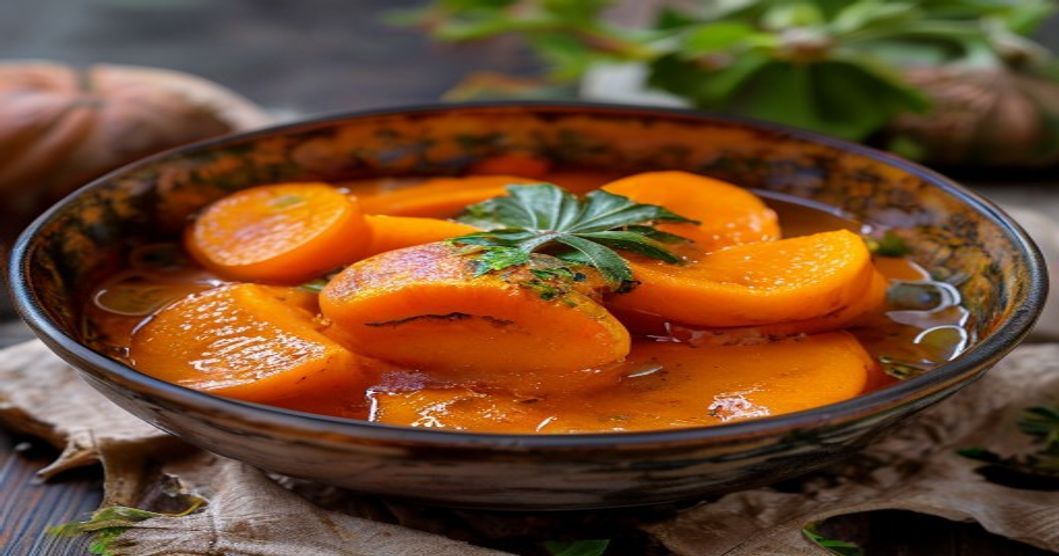
Sweeter and denser than any Western pumpkin, kabocha (かぼちゃ) is a beloved Japanese squash that shows up simmered, tempura-fried, and in soups. Beyond its rich, chestnut-like flavor, kabocha is a nutritional standout: a vitamin-loaded carbohydrate that fuels training while delivering antioxidants most athletes don’t get enough of. Here is why it belongs on your plate.
What Is Kabocha?
Kabocha is the Japanese variety of winter squash — green-skinned with deep orange flesh that turns sweet and fluffy when cooked. It is denser and sweeter than the watery pumpkins common elsewhere, with a texture closer to a sweet potato. The most classic preparation is kabocha no nimono, simmered in a sweet-savory broth.
1. Quality Carbohydrates for Fuel
Kabocha is rich in complex carbohydrates that help replenish muscle glycogen after training, paired with fiber for a steadier energy release. It is a satisfying, whole-food carb source that fuels endurance and recovery without refined sugar.
2. Loaded with Beta-Carotene (Vitamin A)
That deep orange color signals a high content of beta-carotene, which the body converts to vitamin A. This antioxidant supports immune function, eye health, and skin — and helps the body manage the oxidative stress that comes with hard training. Few everyday carbs deliver this kind of antioxidant punch.
3. Vitamin C, Vitamin E, and Potassium
Kabocha also provides vitamin C and vitamin E (both antioxidants that aid recovery) plus potassium, an electrolyte essential for muscle function and preventing cramps. It is a genuinely nutrient-dense carbohydrate rather than empty calories.
4. Fiber and Natural Sweetness
High in fiber, kabocha supports digestion and keeps you feeling full — useful for athletes managing body composition. And because it is naturally sweet, it satisfies a craving for something sweet with whole-food nutrition instead of sugar.
How Athletes Can Use Kabocha
- Simmered (nimono): The classic — gently cooked in dashi, soy, and a touch of sweetness.
- Roasted: Roast wedges for a caramelized, naturally sweet carb side.
- Soup: Blend into a creamy kabocha soup for an easy-to-digest pre- or post-workout meal.
- Carb swap: Use it in place of rice or bread for a more nutrient-dense plate.
A Cooking Tip
The skin of kabocha is edible and nutritious once cooked, so you don’t need to peel it fully — leaving some on adds fiber and saves effort. A quick microwave softens the tough raw squash and makes it much easier to cut.
The Takeaway
Kabocha is a rare carbohydrate that doubles as an antioxidant powerhouse — complex carbs, beta-carotene, vitamins C and E, potassium, and fiber, all in one naturally sweet squash. Swap it in for a regular carb and you upgrade both your fuel and your nutrient intake in a single move.


コメント