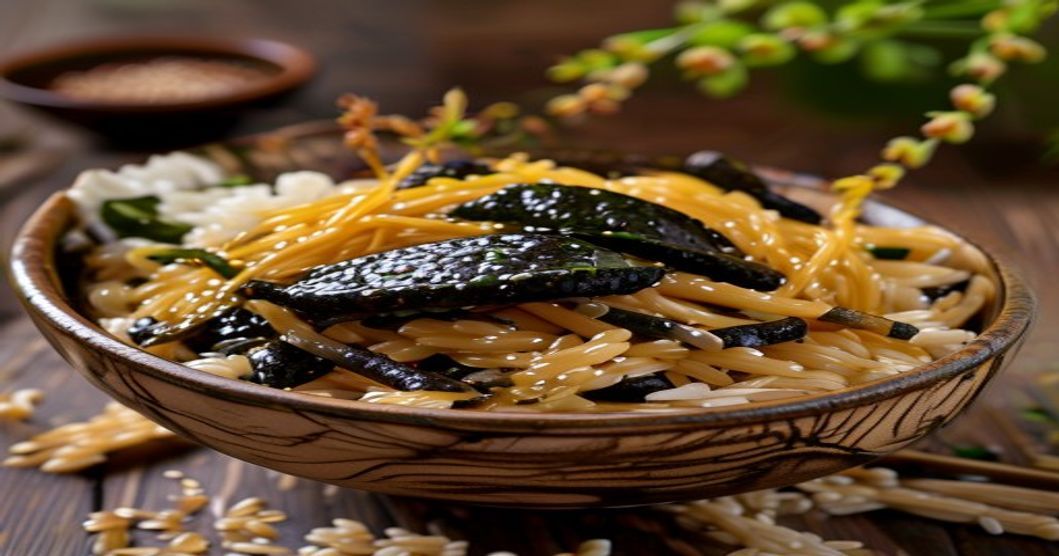
It looks like something that lost a fight with a spider web. It smells like it has been fermenting since the Edo period. And if you are serious about building muscle, recovering faster, and staying healthy in Japan — it might be the single best food you can eat.
This is natto. And most foreigners in Japan walk right past it every single day.
What Is Natto?
Natto is fermented soybeans — whole beans inoculated with a bacterial culture called Bacillus subtilis var. natto and left to ferment for 24 hours. The result is a sticky, stringy, pungent food that is eaten cold, usually over rice, with a packet of soy sauce and mustard included in the box.
It has been a staple of the Japanese diet for over 1,000 years. A single pack costs around 40-80 yen at any convenience store or supermarket. That is less than the price of a single rice cracker.
The Macros That Make Lifters Pay Attention
Here is the nutritional profile per 100g of natto:
| Calories | 200 kcal |
| Protein | 17g |
| Fat | 11g (mostly unsaturated) |
| Carbohydrates | 12g |
| Fiber | 7g |
| Iron | 3.3mg (18% DV) |
| Calcium | 90mg |
| Vitamin K2 | 870mcg (off the charts) |
A standard pack is 50g, giving you about 8-9g of complete protein for 40 yen. That is a better protein-per-yen ratio than eggs, chicken, or any commercial protein powder available in Japan.
Why Vitamin K2 Is a Big Deal for Athletes
Most people know about calcium and vitamin D for bone health. Almost nobody talks about vitamin K2 — and that is a mistake.
Vitamin K2 activates proteins that direct calcium into bones and teeth, and away from arteries. Without K2, calcium supplementation can actually increase cardiovascular risk by depositing calcium in the wrong places.
For athletes, K2 means stronger bones under heavy load, reduced stress fracture risk, and better long-term joint health. Japan has one of the lowest hip fracture rates in the developed world — and natto consumption is one of the leading explanations researchers point to.
Natto contains more vitamin K2 per serving than any other food on earth. Not slightly more. Dramatically more. A single 50g pack delivers roughly 5-10 times the recommended daily intake.
Gut Health and Why It Matters for Recovery
The Bacillus subtilis bacteria in natto are not just a byproduct of fermentation — they are active probiotics that survive stomach acid and reach the large intestine. Once there, they support a healthier gut microbiome, which has downstream effects that directly impact athletic performance:
- Better nutrient absorption — a healthier gut lining absorbs more of the protein, iron, and minerals you eat
- Reduced systemic inflammation — gut dysbiosis is linked to higher baseline inflammation, slower recovery, and increased injury risk
- Improved immune function — roughly 70% of your immune system lives in your gut; hard training suppresses immunity, and probiotics help offset this
- Mood and motivation — the gut-brain axis is real; better gut health correlates with better mental resilience during hard training blocks
When to Eat It
Natto works at any time of day, but two windows stand out for athletes:
Morning: The traditional Japanese way. A pack over rice with miso soup gives you a complete protein-carbohydrate-probiotic breakfast in under three minutes. Total cost: around 200 yen.
Post-training evening meal: Protein timing matters most in the hours after training. Natto over rice after a workout hits the protein synthesis window while simultaneously delivering gut-supporting probiotics during your recovery period.
How to Actually Eat It
The standard pack comes with a small soy sauce packet and a mustard packet. Here is the baseline method:
- Open the pack and remove the inner film layer covering the beans
- Add the soy sauce and mustard
- Stir vigorously — 50+ times if you want maximum stringiness (this is culturally serious in Japan)
- Pour over hot white rice
- Add a raw egg yolk, green onion, or kimchi if you want to level it up
If the smell hits you hard on the first try, eat it cold straight from the fridge rather than at room temperature. Cold natto has a noticeably milder aroma.
How to Choose at the Supermarket
The natto section at any Japanese supermarket will have multiple varieties. Here is how to navigate it:
- Small bean (小粒 / kotsubu): The most popular size. Creamier texture, easier for beginners.
- Large bean (大粒 / otsubu): Firmer, beanier flavor. Preferred by natto veterans.
- Hikiwari (ひきわり): Crushed beans. Milder smell, softer texture, even easier to start with. Good beginner choice.
- Organic: Higher quality soybeans, slightly more expensive (around 100-150 yen per pack). Worth it if available.
For your first week, start with hikiwari or small bean. Give it five days before you decide you hate it. Most foreigners who stick with it for a week find the smell stops registering entirely.
The Bottom Line
Natto is not exotic health food for wellness influencers. In Japan, it is a convenience food eaten by salarymen, high school athletes, and elderly people who have been eating it every morning for 80 years.
The fact that it also delivers more vitamin K2 than any other food, a complete protein profile, and a live probiotic culture for under 80 yen is not marketing. It is just what fermented soybeans do.
Buy a three-pack tonight. Put it on rice. Stir it. The sticky strings mean it is working.


コメント